Industry, logistics and ice cream: Miko’s century-long story in Saint-Dizier

29 Feb 2024
Reading time : 4 minutes

Established in Saint-Dizier (Haute-Marne) for more than a century, the Cogesal Miko ice cream production plant—owned by the Unilever group—employs 200 people. It produces the iconic Magnum ice cream bar for France, among other products. Go behind the scenes of this remarkable family, industrial… and logistics story.

Industrie Miko Saint Dizier 1
L'usine Miko à Saint-Dizier

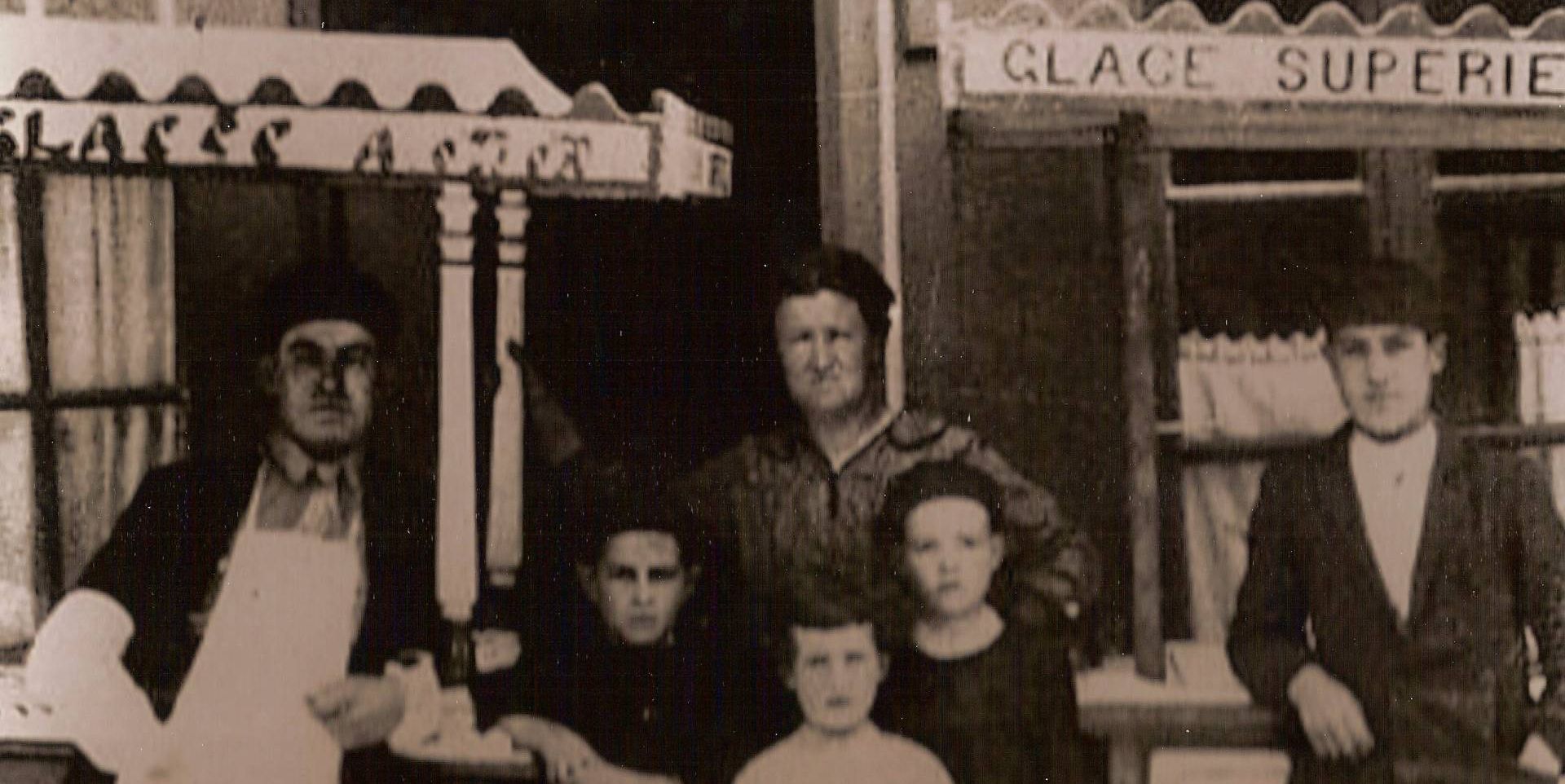
The black-and-white photograph dates back a little over a century. Wearing an immaculate apron, Luis Ortiz Martinez is posing, surrounded by his wife, their four sons and two ice cream carts on a street in Saint-Dizier, Haute-Marne. An image from another era, with one exception: in 2024, ice cream is still produced in this town on the banks of the Marne. “ It is an incredible family story. In 1922, after traveling through several French regions, Luis Ortiz Martinez settled in Saint-Dizier. To make a living, this Spanish immigrant sold roasted chestnuts as well as ice cream made from a recipe originating in his Cantabrian village, says Yohann Caillot, Director of the Cogesal Miko production plant in Saint-Dizier since 2019. Over the decades, this family business would enjoy enormous success, thanks in particular to the passion and energy of the founder’s sons. It is a true French success story. ”

Photo Historique Pour Article Miko Saint Dizier
Luis Ortiz Martinez, entouré de sa femme, de leurs quatre fils et de deux chariots à glaces dans une rue de Saint-Dizier en Haute-Marne (CC BY SA-4.0 / Wikipedia - Claude Doyennel)

Renamed Miko, the Ortiz family business expanded into all dairy products, sponsored cycling teams in the Tour de France and, most importantly, won the hearts of food lovers. In the 1990s, a page was turned: the founder’s sons decided to retire and sell their business to Cogesal, the frozen-food division of the international Unilever group. Everything changed, yet nothing changed. While Miko eventually left downtown Saint-Dizier, it moved just a few miles away to its new, modern plant in Trois-Fontaines. For Quentin Brière, Mayor of Saint-Dizier, “ Miko is part of the heritage of our city and its residents. It is a source of pride to see this plant remain a production site .”

« Miko and Saint-Dizier are now inseparable. Over more than a century in this city, we have forged a strong relationship with its residents. We are deeply involved in economic life as well as in training programs. This local presence is one of our plant’s major strengths. »
Yohann Caillot
Director of the Cogesal Miko production plant

Between modern industry and artisanal tradition

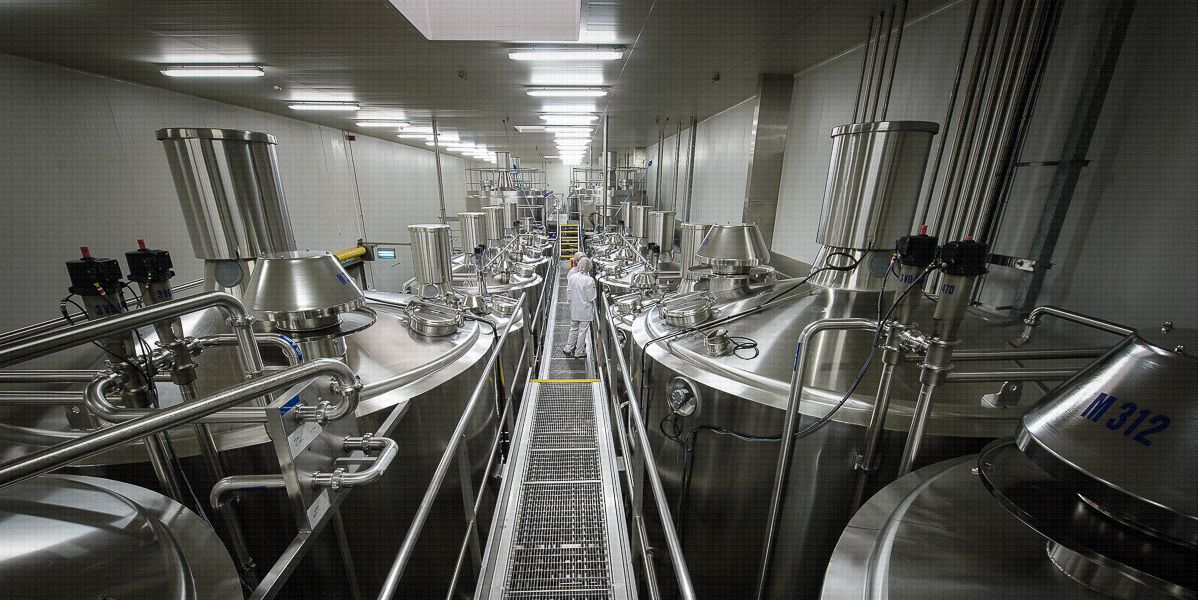
Thirty years later, it is still from this industrial site that the company continues to post impressive figures. Consider this: tens of millions of ice cream bars, cones and tubs; 30,000 pallets stored simultaneously at -20 °C; and 200 permanent employees working on the production lines and in the warehouses. These few figures are enough to grasp the industrial challenge involved in keeping the Haute-Marne plant running smoothly. Somewhere between Luis Ortiz Martinez’s century-old recipes and the industrial excellence of an international group such as Unilever. “ Visitors to our plant are often surprised to find that, from one room to the next, you can go from a fully automated process to a manufacturing method that seems straight out of Charlie and the Chocolate Factory. I am thinking, for instance, of the stage when vanilla Magnums, one after another, are dipped into a chocolate bath. Despite its highly industrial setting, there is something magical about this production site. ” One thing is certain: after reading this article, you will never look at your favorite ice cream bar in quite the same way again.

Industrie Miko Saint Dizier 4
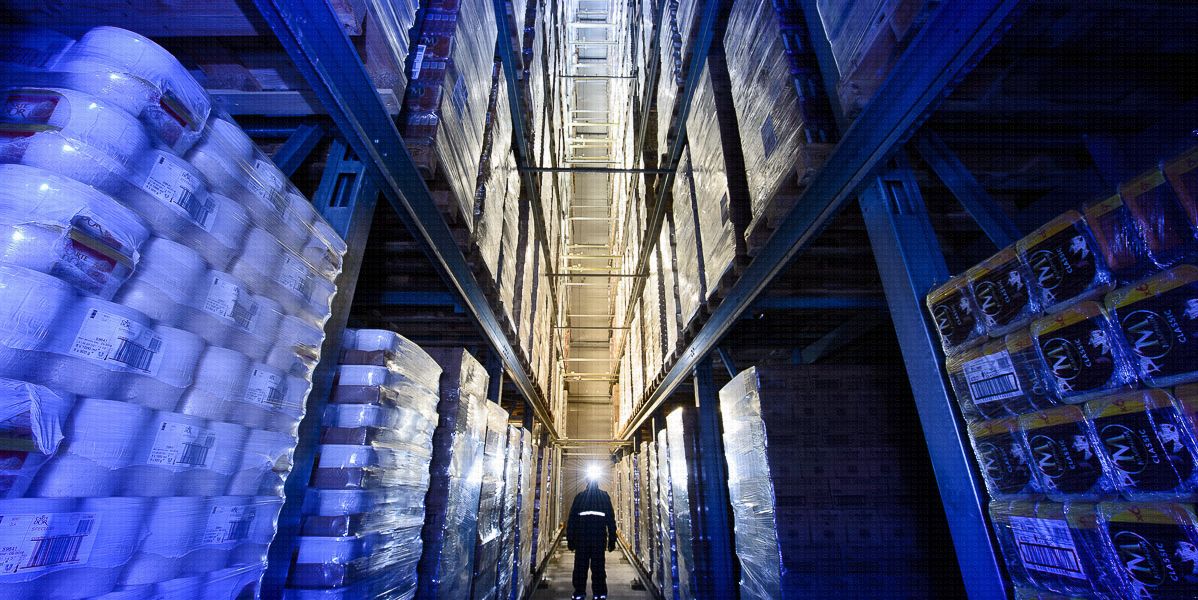
30 000 palettes sont stockées simultanément à - 20 °C

 A logistics challenge to meet every day

For Yohann Caillot and his teams, the daily challenge is also a logistics one. Upstream, they must ensure that the arrival of raw materials matches production needs. “ Our flows are fairly tight, with very little inventory. For food products, we can have no more than three days’ lead time at the plant. Although certain resources, such as chocolate, sugar and cream, are used almost every day, we keep little in stock to avoid waste. The same applies to packaging components. We take a similar approach downstream. Finished products must quickly make their way to the various distributors. ”

To prevent breaks in the chain, the plant acquired a fully automated, digitalized frozen warehouse in 2006. It is located more than 150 meters from the plant, at the end of a fully refrigerated connecting tunnel in which AGVs (Automated Guided Vehicles) operate around the clock, autonomously transporting freshly produced ice cream pallets to their storage locations. With 6,000 m² and a height of 42 m, its 16 m-high service building with three levels and eight sub-zero loading docks enables STEF, the service provider, to ship an ice cream pallet in 20 minutes, wherever it is located in the warehouse. This is made possible by a set of Magmatic robots moving in three dimensions through the 220 000 m3 of storage space, and a network of conveyors that takes over to the truck. And from its storage location to its position in the truck, the pallet never leaves its cozy -20°C environment. “ We have never stopped improving this equipment since it was inaugurated ,” notes Yohann Caillot. Equipment that would undoubtedly have amazed the Ortiz father and sons, whose former downtown site—and its famous Miko Tower—is now home to a movie theater and a museum celebrating the brand


« Miko is part of Saint-Dizier’s industrial tradition. It embodies local production expertise. Echoing our city’s foundries and its identity as a center for artistic cast iron, Miko is one of our flagships and a cornerstone of local economic life. »
Quentin Brière
Mayor of Saint-Dizier

On the path to decarbonization

The site’s future? Clearly, it lies in continuing—and even accelerating—the efforts of the strategic plan to reduce the environmental footprint of the Saint-Dizier site. The objective: to decarbonize 100% of the site’s Scope 2 emissions by 2030. Highly energy-intensive, refrigerated warehouses are at the center of attention. Insulation, production planning, measurement and analysis of consumption data… In recent years, numerous initiatives have already been implemented to optimize their energy performance.

Without slowing efforts on the buildings, the next actions under this strategic plan should target transportation (optimization, electrification, etc.) and, of course, water consumption. As several French regions have experienced drought restrictions in recent summers, water conservation is indeed becoming not only an environmental issue, but also an operational one for Cogesal Miko. Securing the future, then, without ever forgetting the original mission set by Luis Ortiz Martinez: satisfying the sweet tooth of young and old alike. “ We regularly organize visits with schools and middle schools in the region. The children are always very enthusiastic! I myself have a 3-year-old son, and he loves coming to see me at the plant. You might say it is because he knows he will get to eat an ice cream every time ,” Yohann Caillot says with a smile. A family story, without a doubt.

Industrie Miko Saint Dizier 3

Read also

Visitez aussi