



Organizing Production and Logistics in a Historic Monument: Moulin des Costes Takes On the Challenge
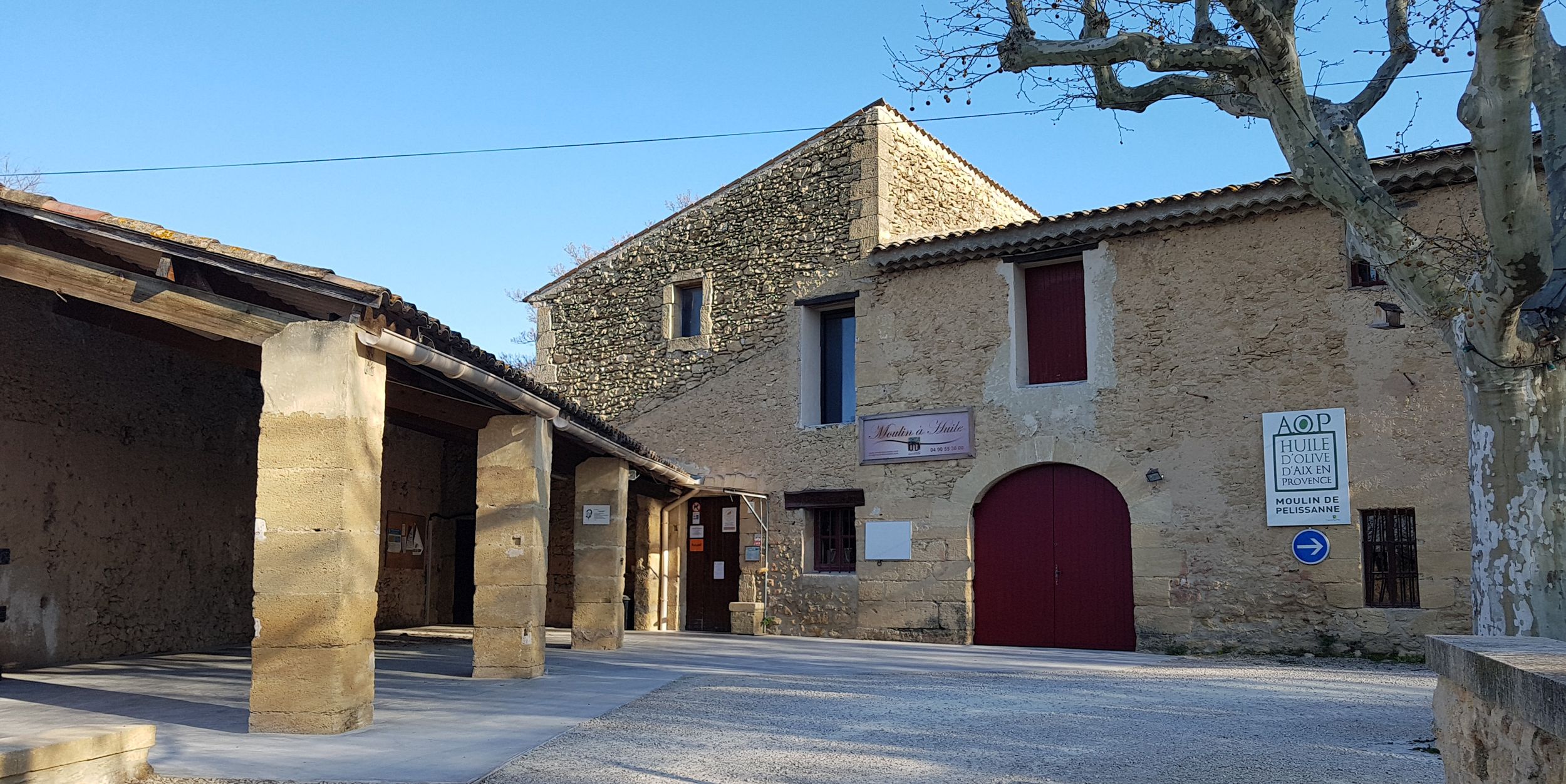
Running an industrial operation at a site listed in France’s historic buildings inventory is no easy feat—a challenge that Moulin des Costes, a producer of Aix-en-Provence PDO olive oils, has been meeting for 25 years. In 2024, the company received 520 metric tons of olives to produce 85 000 liters of oil. The challenge, therefore, is also a logistical one!

Behind the walls of this 18th-century building lies France’s finest olive oil. With six medals at the 23rd Regional Olive Oil Competition, including five gold and one silver, Moulin des Costes, located in the Provence-Alpes-Côte d’Azur region, can take pride in its 2024 production. “An exceptional year in terms of volume as well,” confirms Émile Bonnet, a member of the technical committee of the Pélissanne olive-growing company that owns the brand, and president of this SAS (simplified joint-stock company) from 2012 to 2025. “We received 520 metric tons of olives from 2 500 local producers, which we pressed to obtain 85 000 liters of oil!”. To achieve this volume, the team of nine employees worked intensively from October through December. Production consists of matured olive oils, obtained after around ten days of fermentation in closed 350-kilogram palox bins, and fresh olive oils, extracted within 24 hours of harvest. Each year, Moulin des Costes produces an average of 80 metric tons of olive oil out of the 4 700 produced annually in France (five-year average). It is one of 315 mills listed in France.
Production stages
The Pélissanne company’s olives come largely from around 20 farming producers, with the remainder supplied by 2 480 private individuals. Once received, both fresh olives and those left to mature pass through various machines before being processed into olive oil. “The first step is to remove the leaves and branches using a kind of blower,” Émile Bonnet explains. “Next, we wash the olives to remove soil and stones, before crushing them in the following stage.” The resulting paste is kneaded to release the aromas that give this oil its distinctive character. Liquids and solids are separated, then the liquids are separated into oil and water using a centrifuge. While most of the oil extracted is returned to the olive growers for sale or personal consumption, around 10%, between 12 and 15 000 liters, remains at Moulin des Costes for sale in the shop or on the e-commerce website. Each morning, one employee checks and prepares orders, then takes them to the nearest post office to be shipped mainly within France, but also to a limited extent across Europe (Belgium, Germany and Austria).
“The oil we keep for our own shop and distance sales is additionally filtered before being stored in 1 000-liter tanks. We taste it, then create blends of seven unique types of olive oil.” The resulting blend is then stored in five 2 500-liter tanks connected to the bottling machines. “Being in a building listed in France’s historic buildings inventory while also being an ICPE (facility classified for environmental protection) makes storage conditions more complicated, because these tanks are in the old mill, beneath vaults, over 200 m2, the former president explains. We are awaiting authorization to create a slab that will allow us to align the tanks more effectively.”
Protected Designation of Origin and Organic Production in the Morning
Created in 2001 by a handful of enthusiasts, Moulin des Costes now generates annual revenue of €700 000. Recognized under the Aix-en-Provence Vert and Maturé protected designation of origin (PDO), it is also certified to produce organic olive oil. “For the latter, the machines must be cleaned immediately before use,” Émile Bonnet explains. “That can complicate our days depending on the volume we have to process.” In this case, the machines must indeed have been thoroughly cleaned before use. “Organic olives are therefore the first to go through our machines each day.”
With its high-performance leaf-removal and crushing equipment, centrifuge, and brand-new Still electric forklift, Moulin des Costes has, over the years, successfully combined modernity and tradition, producing exceptional oils, as demonstrated by its award at the Regional Competition. While coping with the constraints of a listed mill (gravel, low doors, storage beneath unsuitable vaults, etc.) and complex logistical challenges such as managing sharp peaks in activity, it puts its expertise and optimized production at the service of local producers and olive-oil enthusiasts.
Waste Management
For several years now, in addition to its core business, the mill has also had to manage “waste.” After liquids and solids are separated, the solids used to be spread at the base of vines and olive trees. “We had to spread pomace and vegetation water in the fields every day,” Émile Bonnet recalls. “It improved the soil, but it also placed a major constraint on our logistics organization. These solid materials are now considered natural soil amendments and must therefore be monitored. We have to place them in dumpsters near our site, and a specialist company collects them every day to incorporate them into compost with other green waste, thereby producing an organic fertilizer used by olive growers, market gardeners and orchard growers.” Sometimes, however, these dumpsters are full, and when that happens on a weekend or public holiday, the mill must be shut down until the service provider empties them… “a difficult decision to make in the middle of the season!”.


