



«
An intermunicipal authority must be able to anticipate and pre-develop a site before bringing in manufacturers as part of a dedicated policy
»
Sébastien Martin: “The reindustrialization of our country cannot happen without its regions”
23 Nov 2023
Reading time : 3 minutes
On November 9, the government announced the 183 new Territoires d’industrie. The goal: to accelerate the country’s reindustrialization. Sébastien Martin, president of Intercommunalités de France and president of the Grand Chalon urban community, discusses the significance of this announcement and shares his vision for reindustrialization.

It is now official: 183 new industrial regions have been selected by the government to make its industrial policy a success. You will co-lead this program after calling for a second phase of this initiative. What approach do you advocate for France’s reindustrialization?
Sébastien Martin : To make France’s reindustrialization a success, it is not enough to create a national one-stop shop. Local attractiveness must also be strengthened. In other words, we must start on the ground, with manufacturers’ projects, in order to support them more effectively. At Intercommunalités de France, we therefore promote a decentralized—or practical—approach to reindustrializing our country.
The “Territoires d’industrie” initiative aptly reflects this approach. Launched at the end of 2018, this program brings together the State, manufacturers and local elected officials to help areas hit by deindustrialization. Six years after the first phase, on November 9 the State announced the 630 intermunicipal authorities, grouped into 183 new industrial regions. This new phase covers more than half of the country’s intermunicipal authorities. The goal is to support their reindustrialization efforts focused on the ecological transition, skills development and land optimization. A budget of €100 million per year has been set aside to fund the winners’ projects. After months of work, commitment and mobilization, this is a major milestone in French industrial history: recognition that the reindustrialization of our country cannot happen without its regions. The challenges are immense, but it is through the strength of local action and our willingness to work together that we will succeed.
Last March, you also submitted 20 proposals to Bruno Le Maire to contribute to the Green Industry bill. The law was enacted on October 23. To what extent do you believe it will influence France’s reindustrialization?
Sébastien Martin : If we want to decarbonize and speed up industrial investment in France, we already have the necessary tools. Above all, local authorities’ planning policies need to be strengthened to decontaminate and green existing sites, rethink mobility to industrial areas and rethink uses within those industrial areas…
However, the law takes up some of our proposals and includes notable progress. Planning for industrial land has been introduced at the regional level through regional planning, sustainable development and territorial equality schemes (SRADDET), which will have to include an objective for the development of industrial activities. The law also brings forward by two years the possibility of introducing sustainable production criteria into public procurement, which is a step in the right direction in enabling local authorities to select responsible projects. A third example is turnkey industrial sites. This measure is of interest to many local authorities but is difficult to implement; the law simplifies it. In particular, Banque des territoires is expected to invest €1 billion between 2023 and 2027 to create 50 pre-developed “turnkey” sites by decontaminating industrial brownfields.
Nevertheless, some aspects were omitted from this law, such as local taxation. The abolition of local business taxes has severed the fiscal link between hosting an industrial activity and the return on investment for the local authority. For half of intermunicipal authorities, it now takes more than 10 years for tax revenue to cover investment expenditure. This period is often shorter for housing projects.
You have also been president of the Grand Chalon urban community since 2014. How is the industrial approach promoted by Intercommunalités de France applied within your region?
Sébastien Martin : First of all, an intermunicipal authority must be able to anticipate and pre-develop a site before bringing in manufacturers as part of a dedicated policy. This is what Grand Chalon is doing, for example, with the redevelopment of the Kodak brownfield site. Next, it is not enough to market land at an attractive price. An intermunicipal authority must also offer an entire ecosystem that makes life easier for manufacturers: shared facilities, a training policy tailored to the local employment area, and so on. It was with this in mind that Grand Chalon, with support from the State, the Bourgogne Franche-Comté region and the Saône-et-Loire department, created Usinerie. This innovation and digitalization hub for industry brings together experts and stakeholders in training and innovation.
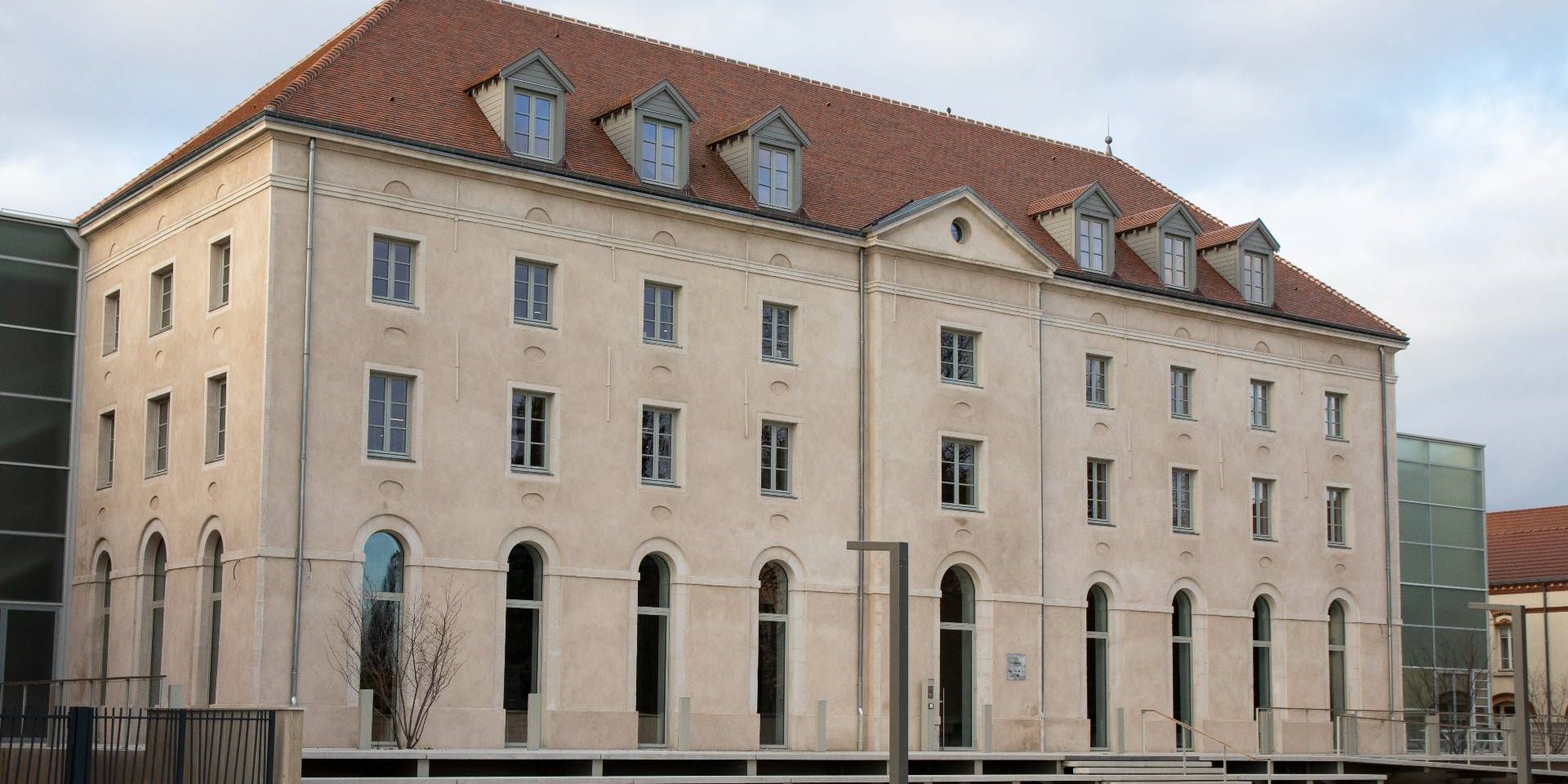
Le Grand Chalon a créé un pôle d’innovation et de digitalisation pour l’industrie baptisé l’Usinerie (©D.R.)
How important is logistics to this ecosystem and attractiveness strategy for manufacturers?
Sébastien Martin : It is an essential function. Intermunicipal authorities must work with manufacturers to identify their logistics needs as early as possible and then plan the location of this activity as effectively as possible so that it fits together seamlessly. This is a sine qua non for the sustainable operation of an industrial facility.
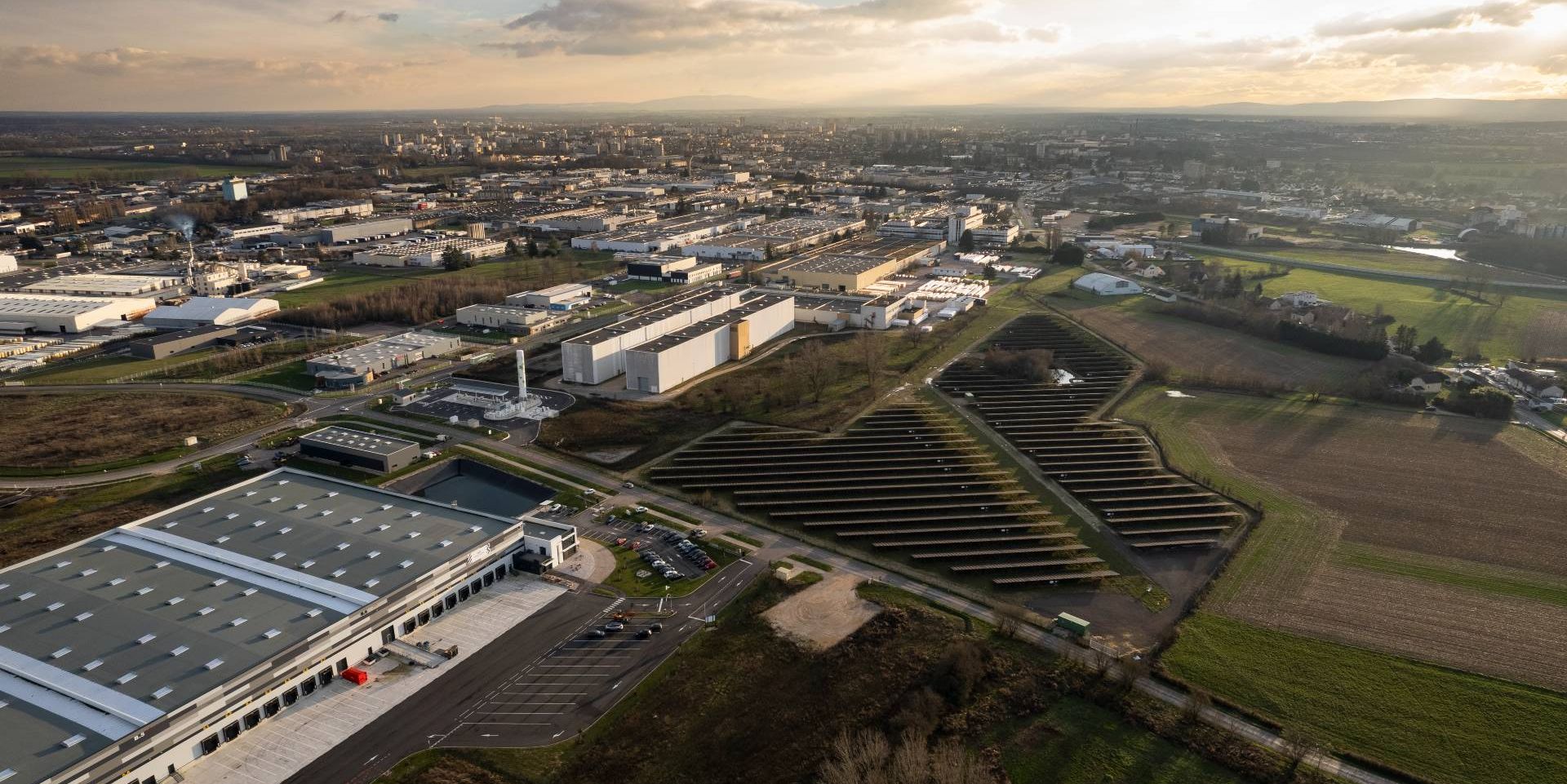
La requalification de l’ancienne friche Kodak au niveau du Grand Chalon (©D.R.)


